On this page
Rule out the obvious
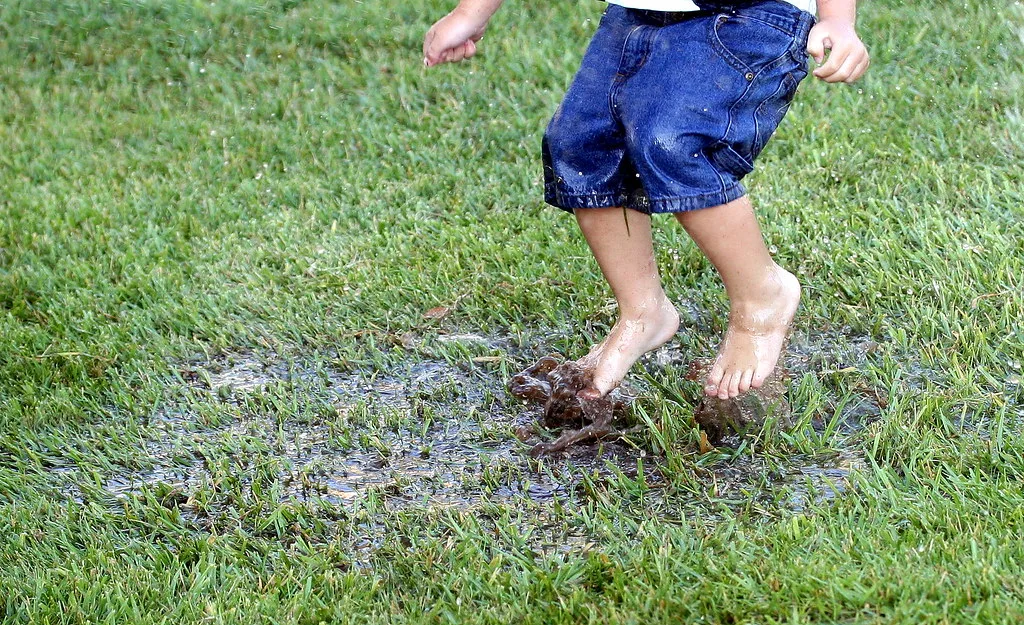
Think about the last few days. Did it rain? Were kids splashing? Do you run a waterfall or fountain, or did you just backwash the filter? If you have an automatic refill, turn it off for the test if you can. If you can’t, the test may not tell you much.
Set up the bucket
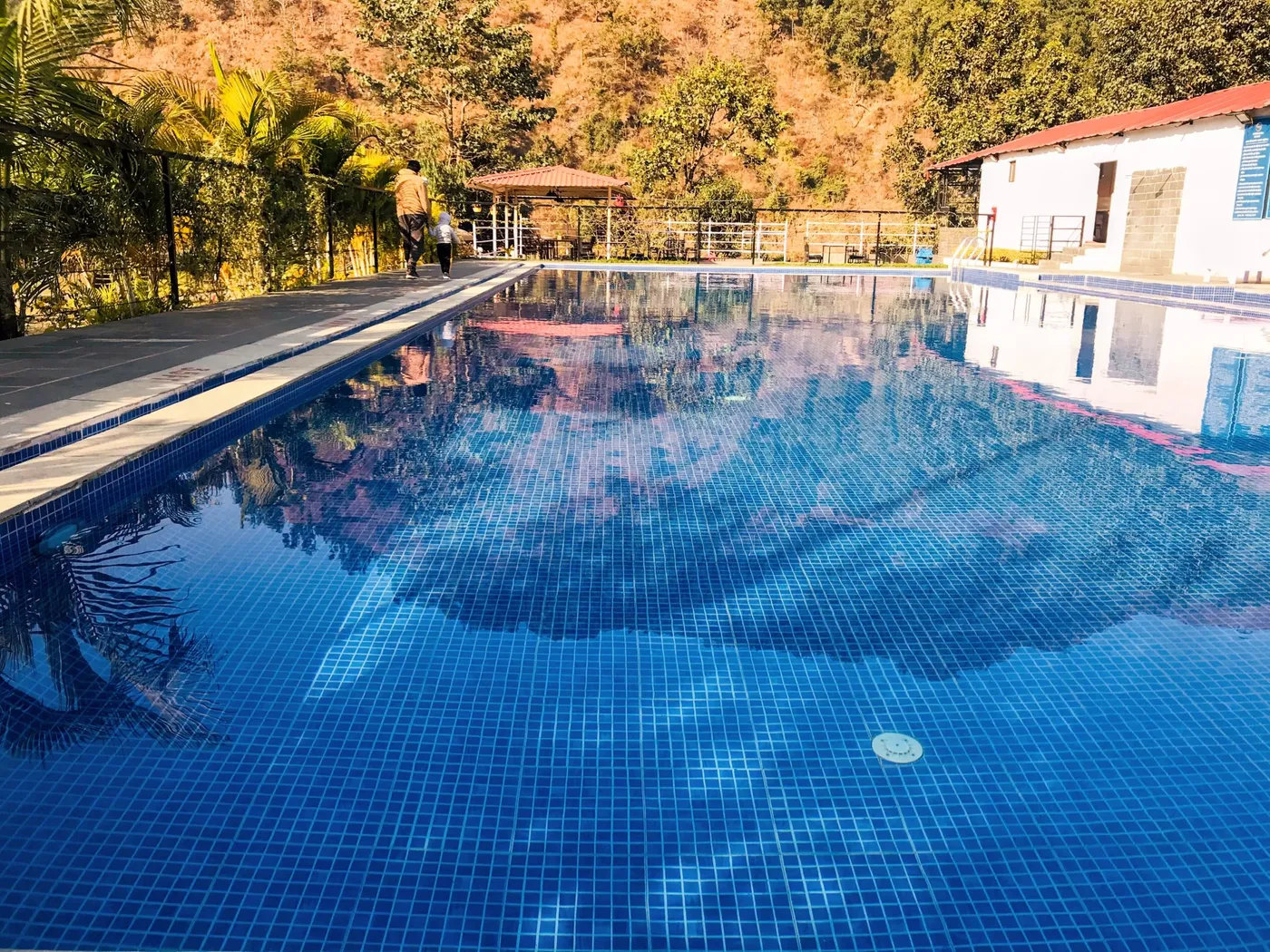
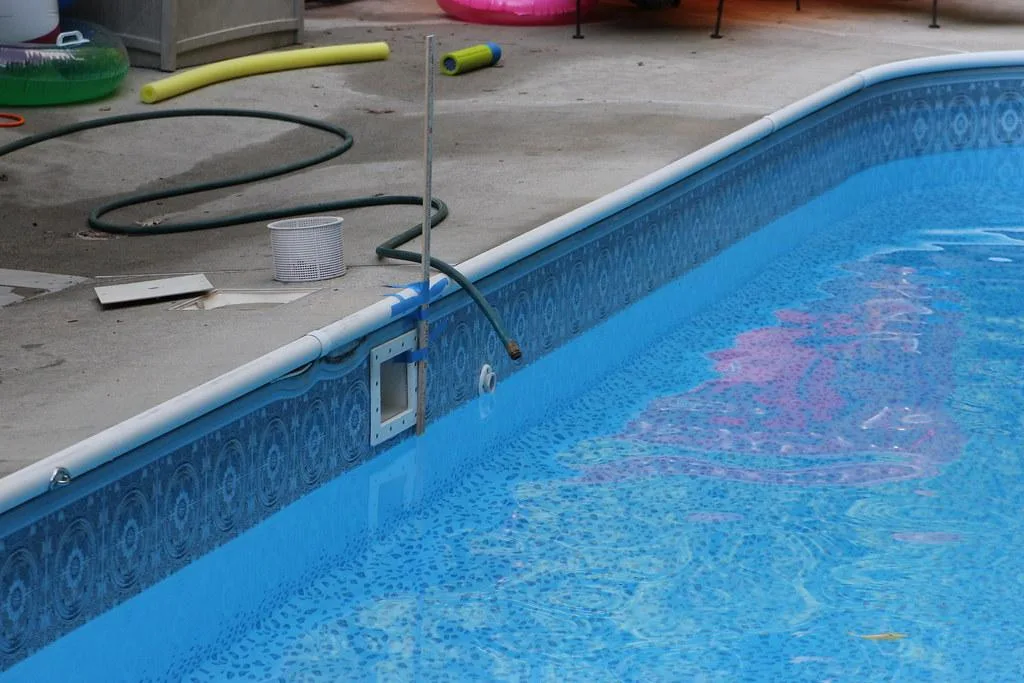
Set a bucket on the first or second step so it sits steady. Fill it with pool water until the level inside matches the pool. Mark the water line inside the bucket, then mark the pool’s water line on the outside. Both get the same sun and wind that way. Don’t swim or run water features during the test.
Check it a day later
Keep the pump on its normal schedule and check after about 24 hours. Compare how far each line dropped over the same period. If it rained, account for rain and try again on a dry day. Evaporation depends on heat, wind and humidity, so there is no single loss amount that proves a leak.
If the pool dropped more
If the pool dropped more than the bucket, you likely have a leak. Run the test once more, then call a leak detection company. Do not drain the pool to look for it. If the water gets close to the bottom of the skimmer opening, turn the pump off so it doesn’t run dry.
How a leak gets pinpointed: the dye test
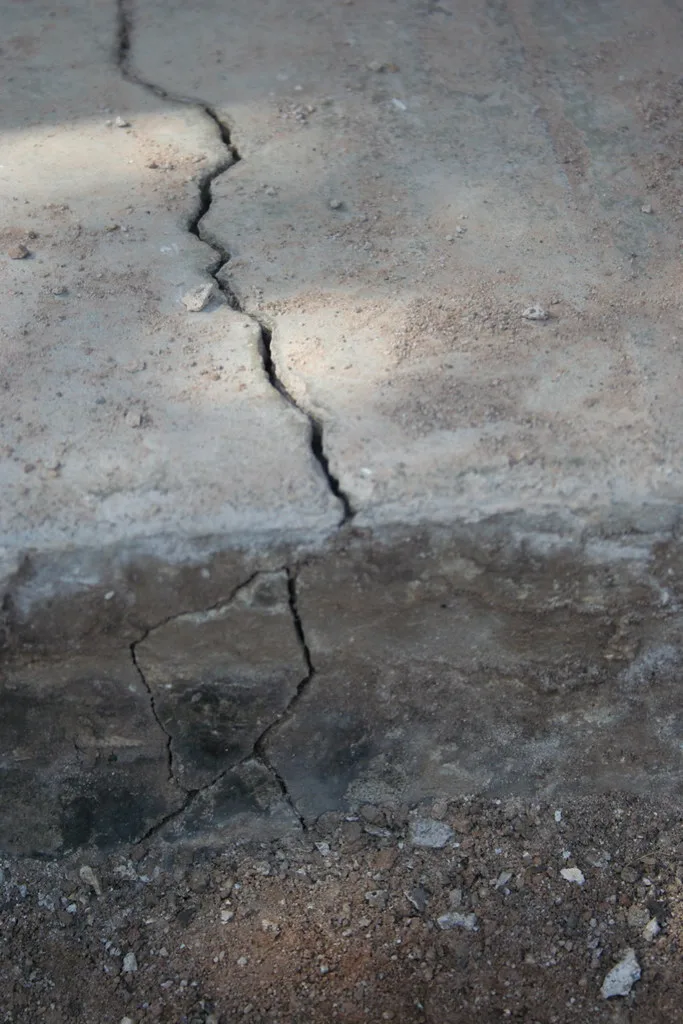
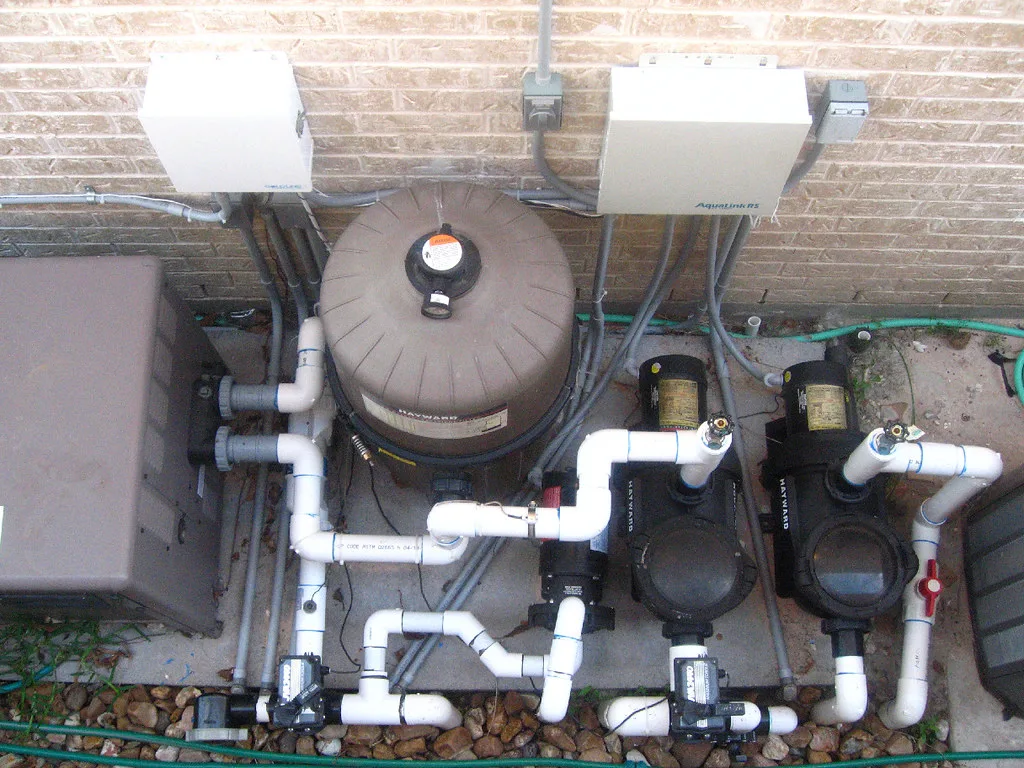
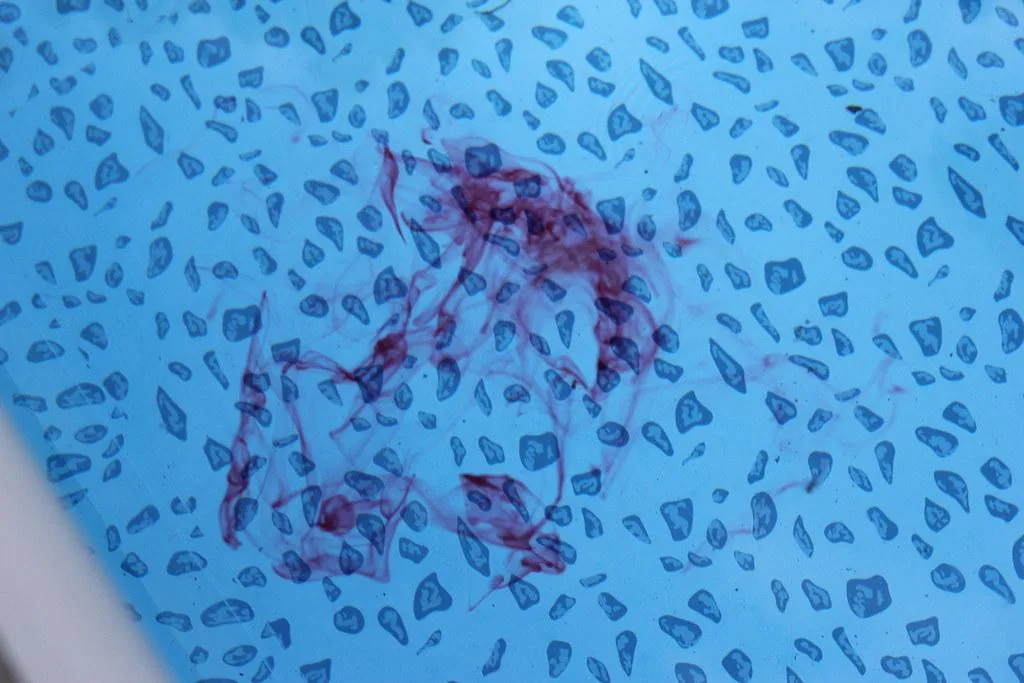
With the pump off and the water still, a few drops of dye go right next to a spot you suspect, like a crack, a fitting or the skimmer. If there’s a leak, the dye gets pulled into it. Pool stores sell dye kits. Leaks in underground pipes need a pro with pressure-testing gear.
Signs a pool is leaking
You’re topping it off more often than you used to. Your water bill went up. Look for these too: